
Top Five Musical Landmarks in Manchester
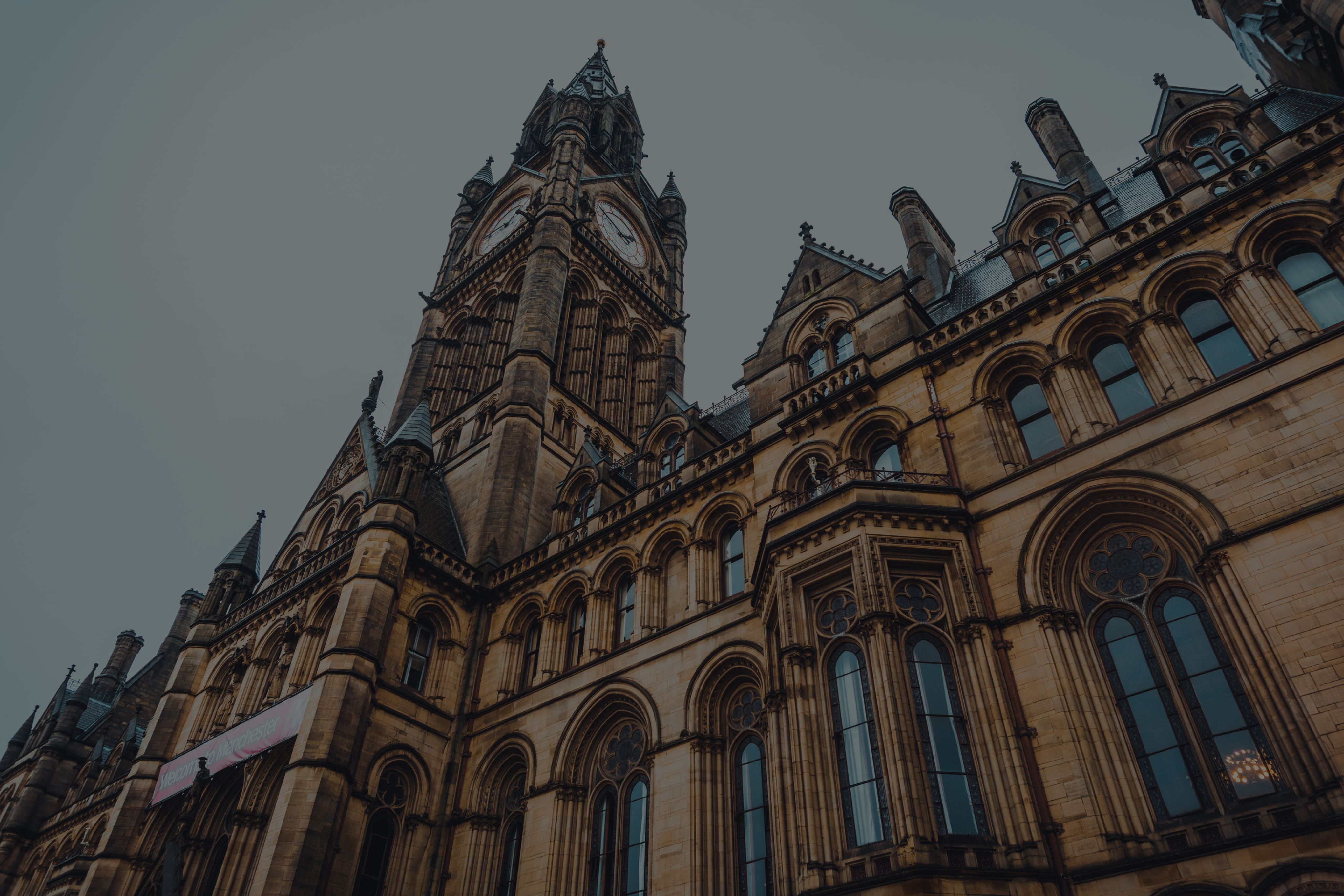

Manchester, where things are ‘done differently’, according to Tony Wilson has given birth to some of the most renowned bands of the 20th Century. This profound musical legacy has motivated many to want to step foot where the artists responsible for this once did.
This is a list of the top five musical landmarks in Manchester; it is a musical pilgrimage for anybody interested in the city's rich cultural history.

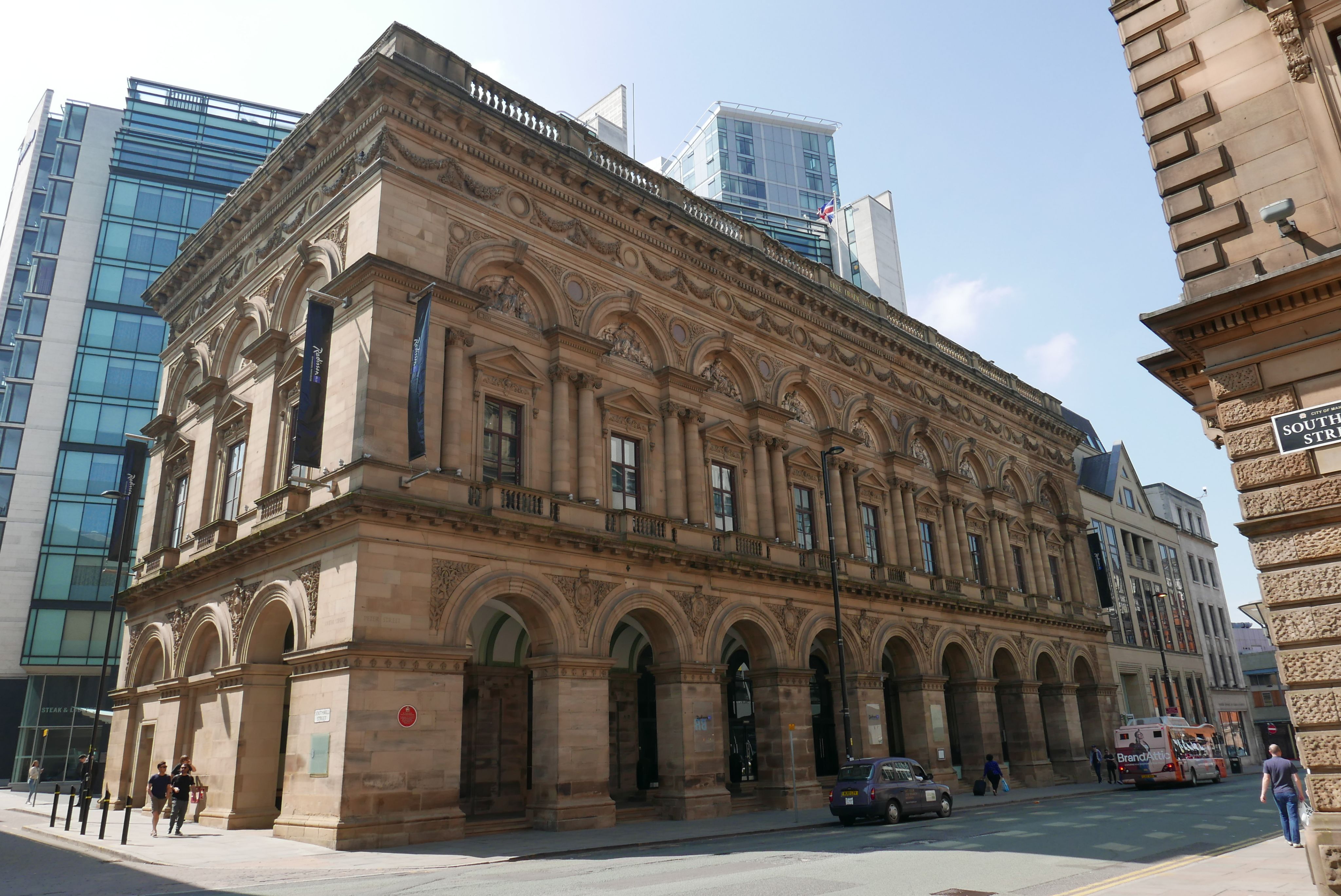




1. The Free Trade Hall
On the 4th of June 1976, the Free Trade Hall became ingrained in Manchester's Musical History, when the Sex Pistols played to a crowd of around 40 people.
Despite the small audience, it was proclaimed as one of the most influential gigs of all time by many, including David Nolan, a musical journalist who acknowledges its impact, in his book titled 'I swear I was there: The Gig That Changed the World'.
It was the Buzzcocks who invited the Sex Pistols to play the gig, and this subsequently exposed the future rockstars of Manchester to the punk do-it-yourself attitude, motivating them to start their own groups.
Those in attendance included Peter Hook and Bernard Sumner who decided to form a band that very evening. In an interview with Far Out, Peter Hook explained how he was inspired to "pack it in … and get out and join the circus."
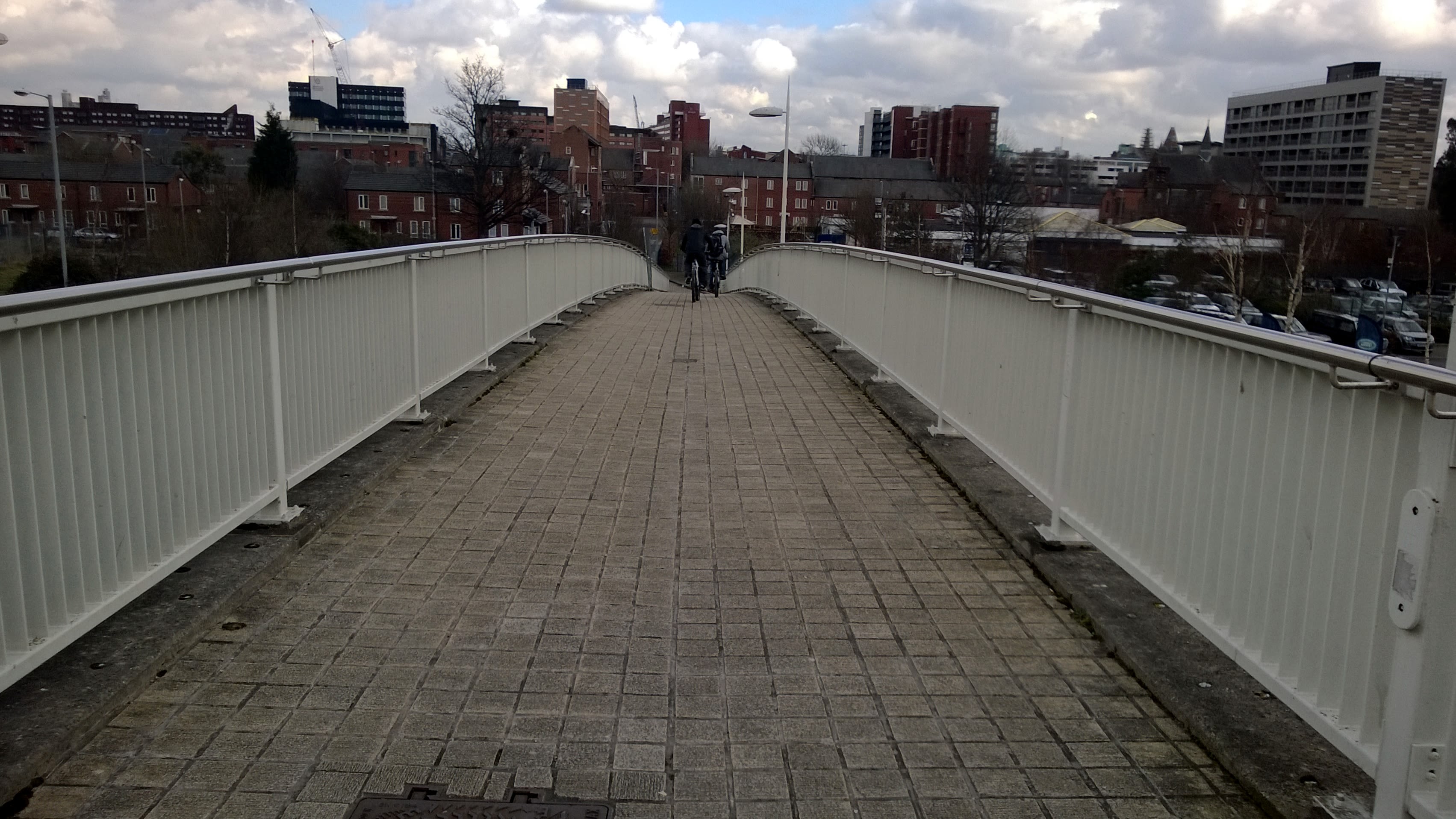
2. The Epping Walk Bridge
Kevin Cummins worked closely with Joy Division as their photographer before the tragic suicide of Ian Curtis in May 1980. During their brief musical career, he persistently encouraged the band to look like stern, 'serious young men', striving to portray them as 'more cerebral …and slightly unstainable' to the press, in order to support their industrial, post-punk aesthetic.
He told the BBC that he ‘very rarely' took pictures of the band smiling and his most famous and iconic collection of images of the band were taken on the Epping Walk bridge on an atmospheric snowy day in the winter of 1979.
They have since become synonymous with Joy Division. Despite his reservations that 'the snow would date the pictures' they remain iconic over 40 years later.
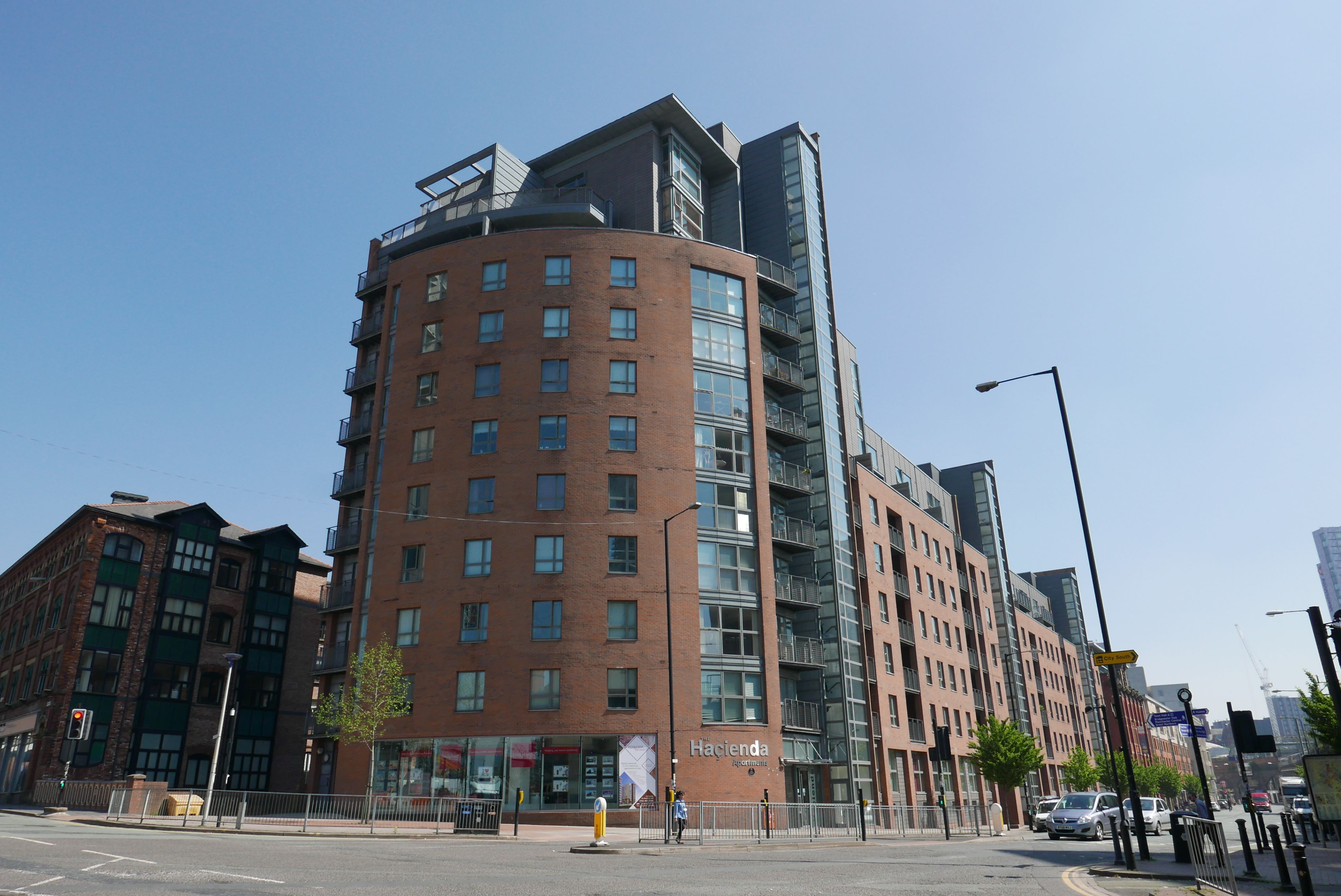
3. The Haçienda Nightclub
Founded in 1982 by Tony Wilson of Factory records and ran by New Order, the Haçienda quickly became the epicentre of the emerging 'Madchester' scene.
However, despite the clubs initial burst of success, it quickly ran into an abundance of problems. So much so in fact Peter Hook about wrote a book specifically about the clubs many pitfalls, The Haçienda: How Not to Run a Nightclub.
This music was often associated with Ecstasy, and widespread use of the drug meant that the club suffered from a lack of alcohol sales because it was usually the preferred option for a night in the Haçienda.
The club was also riddled with gang violence and antisocial behaviour which led to frequent police intervention. With all these factors combined it is estimated that the club lost up to £18 million in its later years. The site was demolished in 2002 and is now home to apartments.
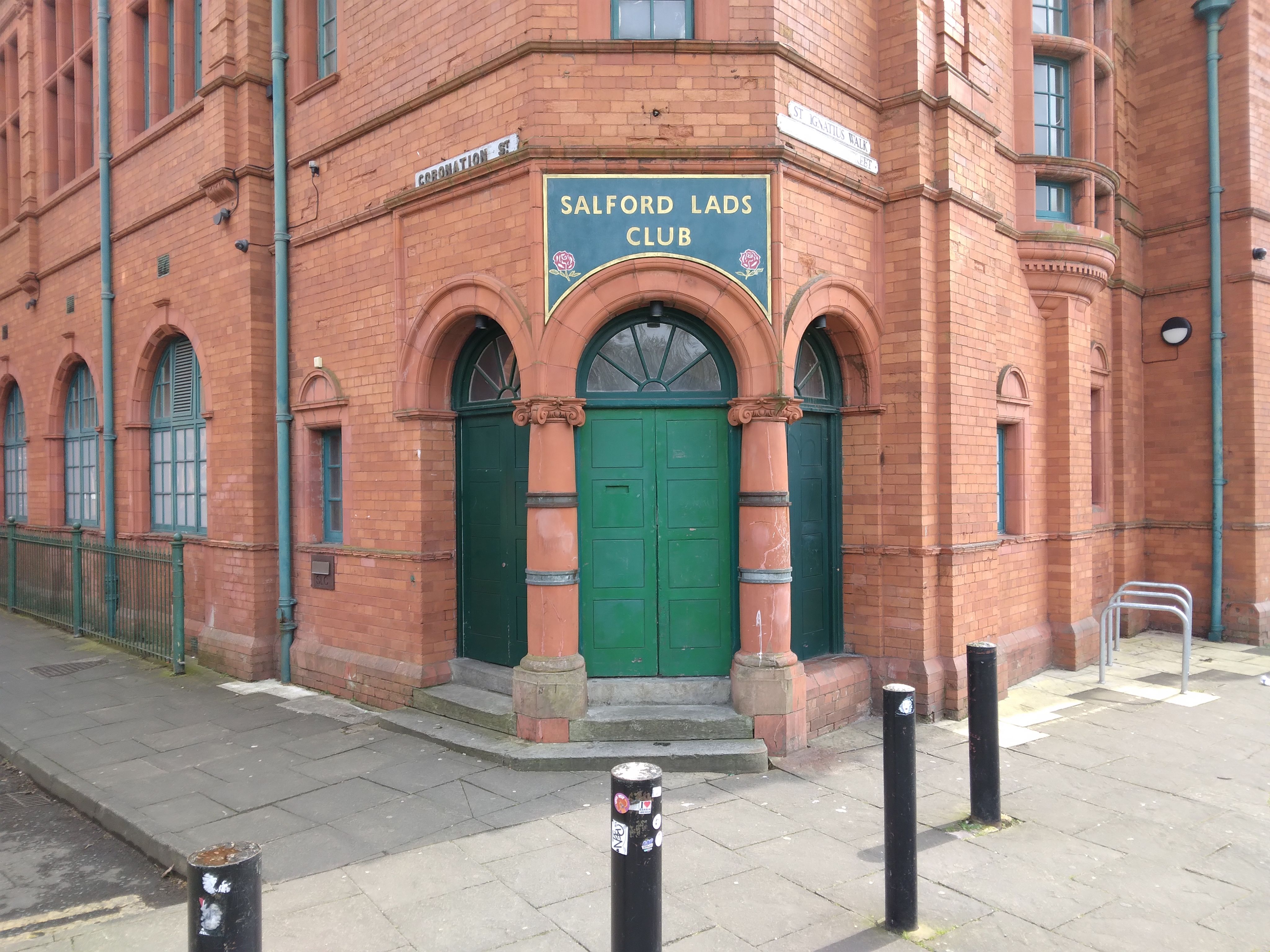
4. The Salford Lads Club
The original image of the Smiths outside the doorway of Salford Lads club, used as the inner sleeve for their chart topping 1985 album The Queen Is Dead, was captured by Stephen Wright.
He was an amateur photographer selected for the role after sending pictures of the band he had taken a year prior to Rough Trade Records, which Morrisey approved of.
He told the Guardian he had 'hardly slept' the night before due to being so excited to meet the band
Following the photoshoot, he received a card from Morrisey stating that 'a sweeter set of photos had never been taken'.
This was praise indeed from a man so typically outspoken and critical, but it is unsurprising when you consider that he supposedly 'chose everything' about the photoshoot.
5. The Boardwalk
The 'Madchester' revolution planted the seeds for Liam and Noel Gallagher's music the following decade.
Like Morrisey, who mentioned in The Smiths 1984 single Heaven Knows I'm Miserable Now that this new music said, 'nothing to (him) about his life', the future Oasis members were unimpressed.
However, at the forefront of it were The Stone Roses, who did manage to captivate their interest. After attending one of their gigs, which he stated was his 'favourite gig of all time', Liam was inspired to get involved himself.
Noel, who was a roadie for Inspiral Carpets at the time, also admired the band greatly - 'they were why we started a group'. He told Radio X that he has been a 'fan ever since' he saw them live in 1987. The Boardwalk is where Oasis began rehearsing.
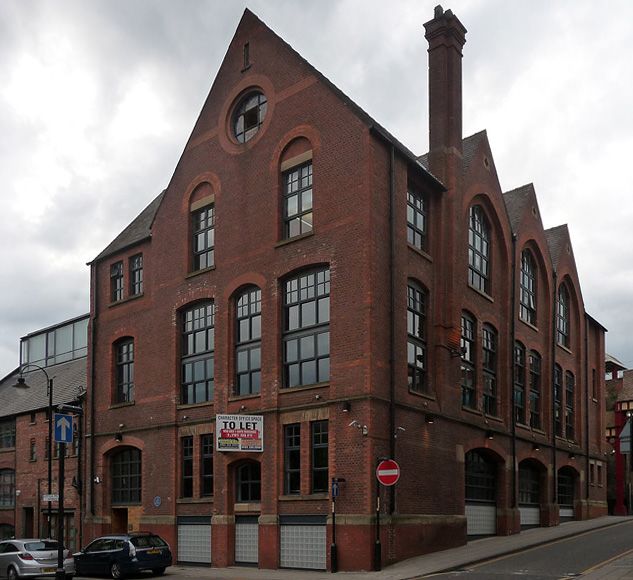
Noel was impressed by Liam's initiative and joined the band soon after their first performance at the boardwalk on 14th August 1991. Although it has been converted to an office building there remains a plaque outside denoting the venues significance in the Manchester music scene.
 Built with Shorthand